
Cultural perspectives on gambling How beliefs shape behavior and choices
Understanding Gambling Through Cultural Lenses
Cultural perspectives significantly influence how gambling is perceived and practiced across different societies. In many cultures, gambling is viewed as a social activity, often intertwined with traditions and celebrations. For instance, in some Asian cultures, games of chance are not merely about winning or losing but are seen as opportunities for social bonding and communal entertainment. Many individuals enjoy various forms of gaming, including the chance to play online slots as a way to engage in this leisure activity.

Conversely, in other cultures, gambling may be regarded with skepticism or outright disapproval, often associated with moral and ethical concerns. These opposing views shape the behavior of individuals and the choices they make when it comes to participating in gambling activities. Understanding these cultural nuances is crucial for gaining insights into gambling behavior globally.
The Role of Beliefs in Gambling Choices
Beliefs play a pivotal role in how individuals approach gambling. In cultures where luck and fate are revered, such as in many Indigenous communities, gambling can be viewed as a way to connect with spiritual beliefs. This perspective often legitimizes gambling as a part of life and destiny, influencing people’s willingness to engage in it.
On the other hand, societies that prioritize rational thinking and logic may promote a more calculated approach to gambling. In these contexts, individuals may focus on strategies and odds, seeing gambling as a challenge to be mastered rather than a mere game of chance. These differing beliefs result in varied gambling behaviors and attitudes toward risk-taking.
The Impact of Social Norms on Gambling Behavior
Social norms within a culture can greatly impact gambling behavior and choices. In communities where gambling is socially accepted and widely practiced, individuals may feel more inclined to participate. This acceptance can create an environment where gambling is normalized and even celebrated during gatherings or festivities.
Conversely, in regions where gambling is stigmatized or illegal, individuals may face significant social pressure not to gamble, leading to secretive or underground practices. This dichotomy highlights the importance of social context in shaping individual choices about gambling, which can vary widely depending on geographical and cultural backgrounds.
Gambling Regulations and Cultural Considerations
Regulations surrounding gambling are often reflective of cultural attitudes. In some countries, strict regulations limit the availability of gambling establishments, aligning with cultural beliefs that prioritize family and community welfare. In these cases, the regulation may serve to protect individuals from potential harm associated with gambling.
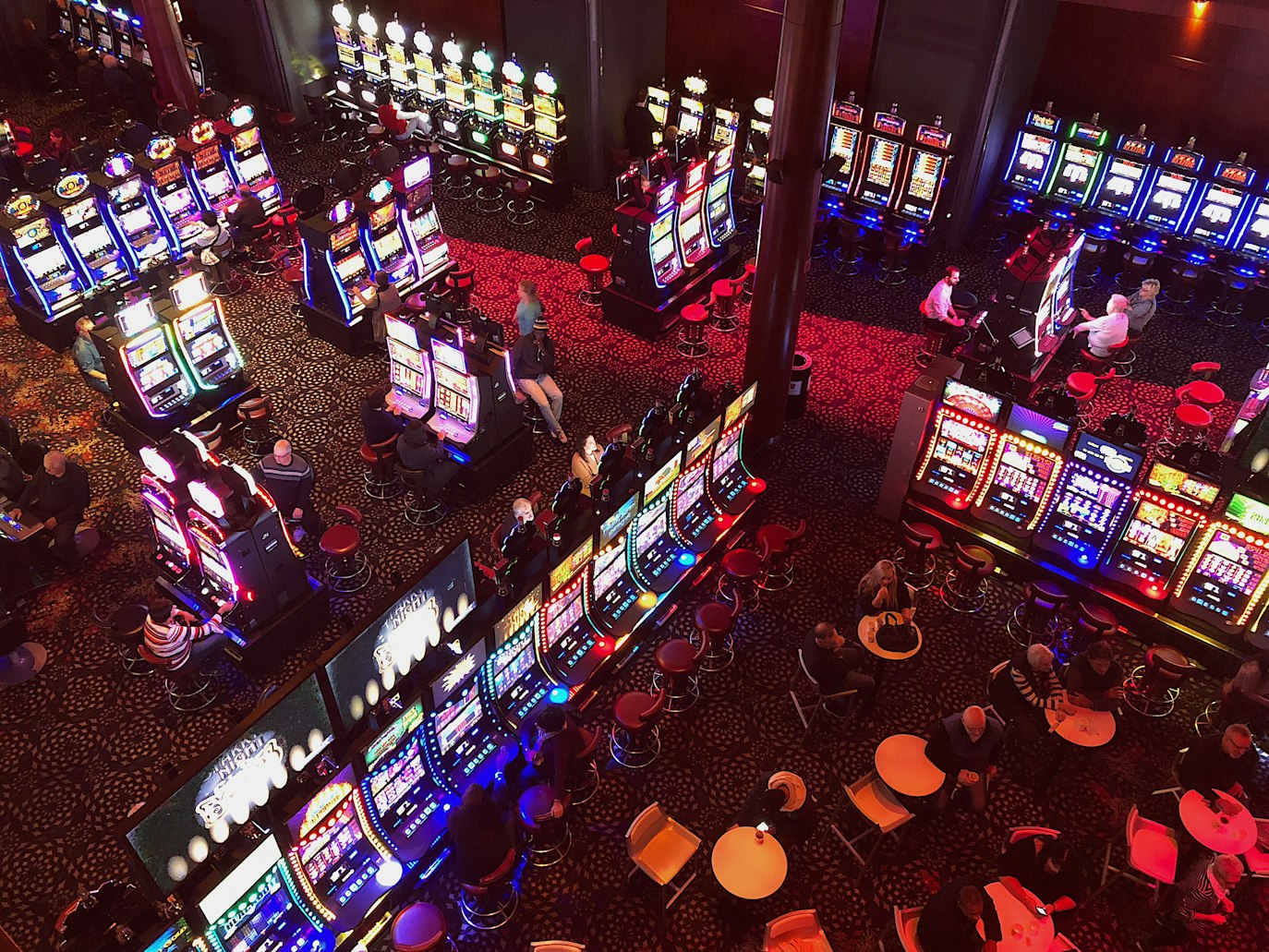
In contrast, other cultures may embrace a more liberal approach to gambling, viewing it as a legitimate form of entertainment and a significant contributor to economic growth. This acceptance can lead to a proliferation of casinos and betting establishments, shaping the local economy and social fabric in unique ways.
Conclusion: The Complexity of Gambling Perspectives
Understanding cultural perspectives on gambling is essential for comprehending the multifaceted nature of this activity. Beliefs, social norms, and regulatory frameworks all intertwine to create unique environments where gambling is experienced. As societies continue to evolve, so too will the cultural attitudes towards gambling, necessitating ongoing dialogue and research.
This exploration highlights the importance of viewing gambling not just as a game of chance but as a complex social phenomenon that reflects deeper cultural values and beliefs. As attitudes shift, it becomes crucial to consider these factors in discussions surrounding gambling, ensuring a nuanced understanding of its place in various cultures.
